

Email and Text Marketing for Hobby Shops: What to Send, How Often, and What Never to Send
 By Hobby Shop Experts Editorial TeamOct 9, 202610 min read
Table of Contents
- Why Should a Hobby Shop Bother With Email and Text?
- What Should an RC Shop Send by Email?
- How Often Should a Hobby Shop Email?
- What Does the Law Require in a Marketing Email?
- What Are the Rules for Texting Customers?
- How Should Customers Sign Up for Texts?
- What Should a Hobby Shop Never Send?
- Email and Text Checklist for Hobby Shops
- How Do You Start a List From Zero?
- Frequently Asked Questions
- Can I add my customers’ emails from my point-of-sale system to my newsletter?
- Do I need permission to text customers about a sale?
- Is a “your repair is ready” email a marketing email?
- What has to be in the footer of a marketing email?
- Want a Quick Look at Where Your Shop Stands?
The short version: email and text are the two ways a hobby shop can reach its regulars without paying a platform to show them the post. Send email for the stuff people want to read (new arrivals, race days, repair-bench news) about once or twice a month, keep texts for the few things that are worth a buzz in someone’s pocket, and get a clear yes before you send either. The rules aren’t complicated, but the ones on texting are stricter than most shop owners think.
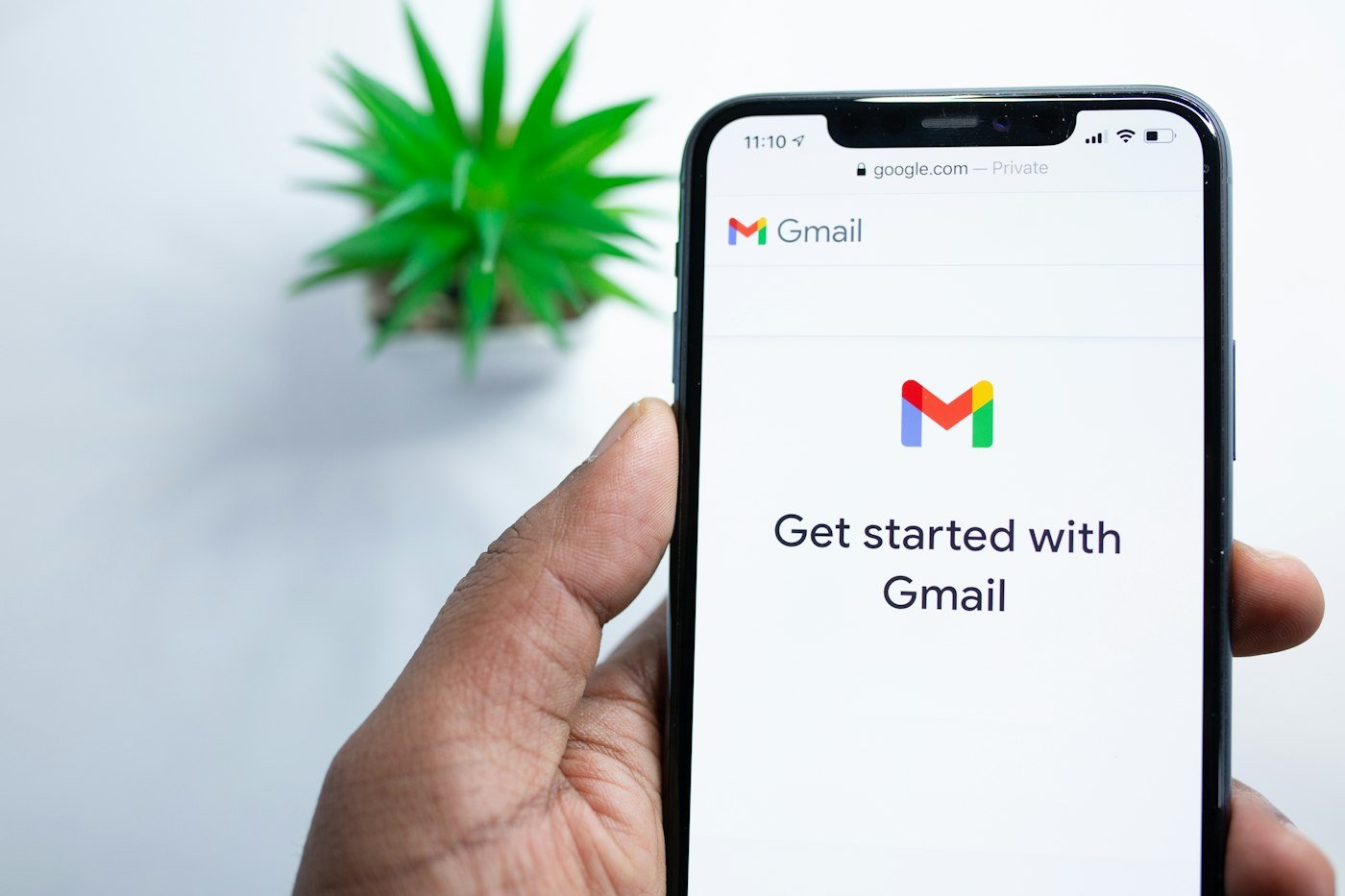
I’m a big believer in owning your list. Your Facebook page and Instagram are rented space; the platform decides who sees what. A list of customers who asked to hear from you is the one channel you actually own. Here’s how I’d build and use one for an RC shop, and the handful of things to never do with it.
One note before we start: I’m not a lawyer, and this isn’t legal advice. Everything below links to the official source so you can read the rule yourself, and if you’re unsure about a specific message, ask an attorney.
Why Should a Hobby Shop Bother With Email and Text?
Because RC is a repeat-purchase hobby. People break A-arms, want bigger batteries, get curious about crawlers. Every one of those is a trip to a shop, and the question is whether it’s yours or a website’s.
A short, useful message at the right moment keeps your shop in their head. “The new shipment of parts is in” is a reason to drive over. “Race night is Friday, here’s the class list” fills the track. If you want to put a number on what one regular is worth to you over a few years, our regular-customer value calculator does the math in about a minute.
What Should an RC Shop Send by Email?
Think of your email as the shop’s bulletin board, not a flyer. The messages that work for hobby shops are the ones a hobbyist would want even if there were no sale attached:
- New arrivals and restocks. “The parts we were out of are back” is genuinely useful to someone who’s been waiting on a part.
- Race days, bash days and club nights. Date, time, classes, entry fee, what to bring. Put it at the top, not under three paragraphs.
- Repair-bench and how-to notes. A short tip on a common breakage or a battery-care reminder before the cold months. This is the stuff that makes people open the next one.
- Seasonal reminders. Holiday hours, gift-buying help, the post-Christmas “bring it in if it isn’t running” offer. Our holiday marketing playbook for RC shops lays out the timing week by week.
- The occasional sale. Sales are fine. A list that only ever gets sales learns to ignore you.
How Often Should a Hobby Shop Email?
There’s no official number, so this is my own rule of thumb: once or twice a month is plenty for most shops, with an extra one when something real happens (a race, a big restock, holiday hours). Pick a pace you can keep. A newsletter that shows up every other Thursday beats an ambitious weekly one that dies in March.
Google’s own email sender guidelines point the same way from a different angle. They tell senders to send only to people who signed up, to confirm addresses, and to consider dropping people who don’t open or read your messages. They also say to keep the spam-report rate in Google’s Postmaster Tools below 0.10% and never let it reach 0.30%. The way you stay there is sending things people asked for, at a pace they expected.
What Does the Law Require in a Marketing Email?
In the US, the main law is CAN-SPAM, and the FTC’s CAN-SPAM compliance guide for business is written in plain English. It covers every commercial email, not just bulk email, and the FTC lists penalties of up to $53,088 for each email that breaks the rules. The main requirements:
- Honest “From” and subject lines. The sender has to be accurate, and the subject has to reflect what’s in the message.
- Say it’s an ad. The FTC gives you leeway on how, but a marketing email has to be clearly identifiable as one.
- Include your physical address. Your street address, a registered PO box or a registered private mailbox. For a shop, your storefront address in the footer does it.
- Give people a clear way to opt out, and honor it within 10 business days. You can’t charge for it or make them do more than reply or visit one page.
- Don’t sell or hand over the addresses of people who opted out.
- You’re still responsible if someone else sends it for you. Hiring an email service doesn’t move the legal responsibility off your shop.
Most email services build the unsubscribe link and an address block into their templates. Your job is to fill in the address correctly and never delete the unsubscribe line to make an email look cleaner.
One useful distinction from the FTC guide: purely transactional messages, like “your repair is done” or an order confirmation, are exempt from most of these rules. But the FTC reads that category narrowly. If your “your repair is done” email opens with a sale on tires, the FTC treats the primary purpose as commercial, and the full rules apply. Keep repair updates about the repair.
What Are the Rules for Texting Customers?
Texting feels casual. Legally, it isn’t. The FCC’s guide on robocalls and robotexts says its rules ban texts sent to a mobile phone with an autodialer unless the person gave consent first, and that commercial texts require written consent. It also says people can opt out at any time and in any reasonable manner, even if they agreed before.
The wireless industry adds its own expectations on top of the law. CTIA, the carriers’ trade group, publishes Messaging Principles and Best Practices that business texting services follow. In plain words, it splits business texts three ways:
- Conversational: the customer texts you first (“do you have a 3S charger in stock?”) and you answer. No extra permission is expected for the reply.
- Informational: the customer gives you their number and asks to hear back, like a text when their repair is ready. They should agree to texts for that purpose.
- Promotional: anything with a sale or marketing push. Before you send these, the customer should agree in writing to promotional texts, for example by checking a box on a signup form. CTIA also notes that adding a coupon code to an informational text can move it into the promotional category.
So “your Slash is ready for pickup” to someone who asked for repair texts is fine. Tack “and 20% off tires this weekend!” onto it and it’s a promotional text.
How Should Customers Sign Up for Texts?
CTIA’s guidance on the signup itself is practical. Your invitation to join should say what the texts are for, which number they come from, who’s sending them, any charges, and how to opt out. After someone joins a recurring list, the first text should confirm they’re in, say how often you’ll text, say how to get help, and say how to stop. CTIA also says senders should keep a record of each opt-in (when, how, and for which list), and should never use a list that was rented, bought or shared.
On opting out, CTIA wants the standard “STOP” wording in your instructions, but it also expects you to honor normal-language requests like “stop,” “unsubscribe,” “cancel” or “please take me off this.” Send one confirmation that they’re off the list, then nothing more.
On timing, the FCC’s telemarketing rules bar sales calls to people’s homes before 8 a.m. and after 9 p.m. That line is written about calls, but it’s a sensible window for promotional texts too. Nobody wants a tire sale at 10:40 at night.
What Should a Hobby Shop Never Send?
This is the short list I’d tape next to the register:
- Never email or text people who didn’t ask. Don’t add everyone in your POS system because they once bought a servo. Ask at checkout instead.
- Never buy a list. Google’s guidelines say not to purchase addresses, and CTIA says not to use rented or shared text lists.
- Never pre-check the signup box. Google’s guidelines specifically warn against opt-in forms that are checked by default.
- Never disguise a sale as a receipt or a repair update. Both the FTC and Google say not to mix promotions into transactional messages.
- Never use a fake “Re:” or “Fwd:” to make a promo look like a reply. Google’s guidelines call that out by name.
- Never make unsubscribing hard. No logins, no “tell us why” required. One reply or one page, per the FTC.
Email and Text Checklist for Hobby Shops
| Item | Text | |
|---|---|---|
| Permission | Only people who signed up; box unchecked by default | Written consent for promotional texts; consent for informational texts |
| Who it’s from | Your real shop name in the From line | Your shop named in the message |
| Address | Physical postal address in every marketing email | Your shop clearly identified |
| Opt-out | Clear unsubscribe in every marketing email; honored within 10 business days | “Reply STOP” instructions; honor any reasonable request; one confirmation, then silence |
| Mixing | No sales tucked into receipts or repair updates | A coupon in a repair text makes it promotional |
| Pace | 1-2 a month, plus real news | A few a month at most; daytime hours |
| Records | Your email service keeps signup records | Keep when, how and for which list each person opted in |
| Lists | Never bought | Never rented, bought or shared |
How Do You Start a List From Zero?
You already have the best signup spot in town: your counter. A small sign by the register with a QR code to the signup form (here is how to design and track counter signs), and staff who ask “want a heads-up when we do race nights?” will build a list faster than any pop-up on your website. Put the same form on your website and on race-day flyers, and say plainly what people will get and how often.
Then send the first one within a week, while they still remember signing up. Make it useful: your hours, your next event, and one thing about the shop they might not know (you do repairs, you have a track, you can order parts you don’t stock). If you’d like help setting up the signup, the QR codes and the first few messages, that’s what our retention, QR and email marketing service is for.
Frequently Asked Questions
Can I add my customers’ emails from my point-of-sale system to my newsletter?
I wouldn’t. Google’s sender guidelines say to send only to people who signed up to get your messages, and people who never asked are the ones most likely to hit “report spam,” which hurts delivery for everyone else on your list. Ask at checkout and add the people who say yes.
Do I need permission to text customers about a sale?
Yes. The FCC says commercial texts require written consent, and CTIA’s industry guidelines expect express written permission before promotional texts, such as a checked box on a form. Get it in writing before the first sale text.
Is a “your repair is ready” email a marketing email?
Not if that’s all it is. The FTC treats messages that complete or update a transaction the customer already agreed to as transactional, which are exempt from most CAN-SPAM rules. Add a sale at the top and it becomes a commercial message with all the requirements.
What has to be in the footer of a marketing email?
Per the FTC’s CAN-SPAM guide: your valid physical postal address and a clear way to opt out. The message also has to be identifiable as an ad, and your From line and subject have to be accurate.
Want a Quick Look at Where Your Shop Stands?
Your list only grows if people can find you first. Run our free instant website audit to see what your site is missing in a couple of minutes, and if you’re starting from scratch on local search, our local SEO checklist for hobby shops is the place to begin.