

Local SEO for Hobby Shops: The Complete Checklist
 By Hobby Shop Experts Editorial TeamOct 6, 202610 min read
Table of Contents
- How Does Google Decide Which Hobby Shops Show Up Nearby?
- What Should a Hobby Shop Fix First on Its Google Business Profile?
- Verify It and Make Sure There’s Only One
- Use Your Real Name, Nothing Extra
- Pick the Right Primary Category
- Fill In Everything Else Google Asks For
- How Do You Get More Google Reviews Without Breaking the Rules?
- What Does Your Website Need for Local SEO?
- The Same Name, Address, Phone and Hours
- Pages That Match What People Search For
- LocalBusiness Structured Data
- Where Else Should Your Hobby Shop Be Listed?
- How Do Local Links Help a Hobby Shop?
- Local SEO Checklist for Hobby Shops
- Frequently Asked Questions
- What is local SEO for a hobby shop?
- Can I pay Google to rank higher on Maps?
- Can I give customers a discount for leaving a Google review?
- Should I add keywords like “RC cars” to my business name on Google?
- Want to Know Where Your Shop Stands?
The short version: local SEO for a hobby shop comes down to three things Google says it looks at for local results: relevance, distance and prominence. You can’t move your shop closer to every customer, so the work is making your Google Business Profile complete and accurate, making your website say the same things your profile says, and earning reviews and local links the honest way. The checklist below is the order I’d do it in.
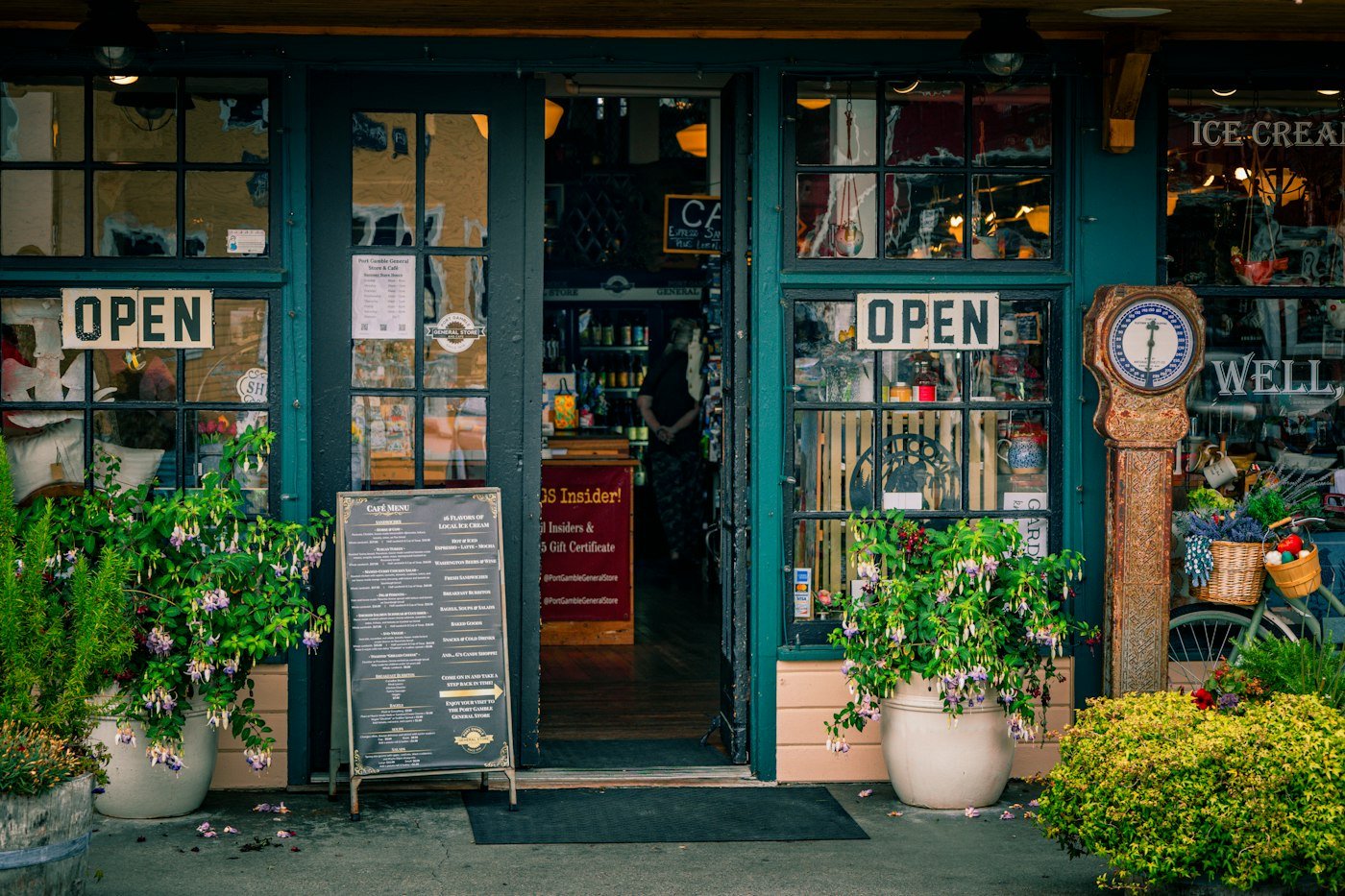
The usual local SEO problems for a hobby shop aren’t exotic. Hours that changed and never got updated on Google, a website that doesn’t say which brands you carry, or a profile category that says “Toy store” when the shop is really a hobby shop with a repair bench. None of it is hard. It just never makes it to the top of the list when you’re running a counter.
How Does Google Decide Which Hobby Shops Show Up Nearby?
Google spells this out in its own help article on improving your local ranking. Local results are mainly based on three factors:
- Relevance: how well your Business Profile matches what someone searched for. Google says complete, detailed business info helps here.
- Distance: how far your shop is from the person searching. You can’t change this one.
- Prominence: how well-known your business is. Google says this is based partly on how many websites link to you and how many reviews you have.
The same page also says there’s no way to request or pay for a better local ranking. So anyone selling you “guaranteed top 3 on Maps” is selling something Google says doesn’t exist. Every item on this checklist pushes on relevance or prominence, because those are the two you control.
What Should a Hobby Shop Fix First on Its Google Business Profile?
Verify It and Make Sure There’s Only One
Google says verifying tells it you’re authorized to represent the business and makes the profile more likely to show up in results. Its guidelines for representing your business also say there should be only one profile per business. If a previous owner or an old employee set one up years ago, find it and sort it out before you do anything else. Two half-finished profiles compete with each other.
Use Your Real Name, Nothing Extra
Your business name on Google should match your storefront sign, your website and your receipts. Google’s guidelines say adding unnecessary information to the name isn’t permitted and can get the profile suspended. So “Desert Rat Hobbies” is fine, and “Desert Rat Hobbies RC Cars Traxxas Repairs Best Prices” is how you lose the listing. Put the keywords where they belong: your categories, your description and your website.
Pick the Right Primary Category
Google’s category help page says your categories affect your local ranking, and that you should pick the most specific primary category that describes the business. Its guidelines add: use the fewest categories it takes to describe your core business. For most RC shops that means a hobby-store style primary category, then a small number of extras only if they’re real parts of the business (a repair service you actually advertise, for example). You pick from Google’s list; you can’t make up your own. One warning from that same page: changing categories can trigger a request to verify the business again, so don’t fiddle with them for fun.
Fill In Everything Else Google Asks For
Google lists the basics it wants: your full address, your hours (including special hours), your category, and details like parking. Businesses with complete and accurate info, it says, are more likely to show up in local results. For an RC shop, I’d also make sure of these:
- Hours that match the door. If you close early on race nights or open late on Sundays, Google should say so. Holiday hours are their own job, and I covered them in the RC shop holiday marketing playbook.
- A description that says what you actually do. The brands you stock, whether you repair what you sell, whether you have a track or host race days. Google’s rules say no links, no gimmicks and no sale prices in the description, so keep it plain.
- Photos of the real shop. The front of the building so people recognize it from the street, the wall of trucks, the repair bench, the track if you have one. The same photos make good weekly updates, and our 4-week Google posts calendar for RC shops shows how to use them.
- Products. Google’s local ranking page says retail stores can show in-store products on their profile, and those products might show in local results. Even a handful of your best sellers is better than an empty tab.
How Do You Get More Google Reviews Without Breaking the Rules?
Reviews are the part of prominence you can build every single day, and they’re also where shops get themselves in trouble. Google’s review tips page says offering incentives like free or discounted goods in exchange for reviews is considered fake and misleading content and is strictly prohibited. Google Maps’ content policy goes further. Merchants aren’t allowed to:
- Offer payment, discounts or free stuff for a review, or for changing or removing a bad one.
- Discourage negative reviews, or selectively ask only the happy customers. (That second one is what people call “review gating,” and it’s out.)
- Require or pressure customers to leave a review while they’re still in the shop, or ask them to include specific content.
- Have staff chase a set number of reviews.
What Google does recommend is simple: ask customers to leave a review with a Google link or a QR code, reply to reviews, and value all of them, since a mix of positive and negative often looks more trustworthy. In a hobby shop, that looks like a small card in the bag with the QR code, or a line on your repair ticket: “If we did right by your truck, we’d appreciate a Google review.” Ask everyone, not just the people who were smiling.
And reply to every review, good or bad, in a sentence or two. Google says replies show you value feedback and help you stand out. They’re also the only part of your reviews you write yourself. If one of them is a bad review, our guide on how to respond to a bad Google review at an RC shop has sample replies and the rules on what never to say.
What Does Your Website Need for Local SEO?
Your Business Profile points people to your website, and your website is where Google (and a customer) checks that you are who your profile says you are. Three things matter most for a local shop:
The Same Name, Address, Phone and Hours
Google asks you to represent the business the way it’s represented in the real world, across signage, stationery and branding. Your website footer is part of that. Same name, same address format, same phone number, same hours as your profile. When they disagree, customers call the wrong number and Google has two versions of you to pick from. The same goes for the top of your homepage: our post on what a hobby shop website needs on the first screen covers where hours, a call button and directions should sit.
Pages That Match What People Search For
Relevance doesn’t stop at your profile. If people near you search “RC car repair” and your website never mentions repairs, you’re asking Google to guess. Give your main services their own short sections or pages: repairs, the brands you carry, race days or a track, parts you keep in stock. Write them like you’d explain it at the counter, with your town’s name in there naturally.
LocalBusiness Structured Data
Structured data is a bit of code in your page that tells search engines your business details in a format they can read without guessing. Google’s LocalBusiness documentation lists name and address as required, with hours, phone and website among the recommended extras. Schema.org even has a specific HobbyShop type, which is a kind of Store, which is a kind of LocalBusiness. Many SEO plugins can add it for you. Just make sure the details in it match your profile.
Where Else Should Your Hobby Shop Be Listed?
Google is the big one, but it isn’t the only map. Claim these too, and make them say exactly what your Google profile says:
- Bing Places for Business, which Microsoft says is free to list on.
- Apple Business, where Apple lets you put your business on Apple Maps.
We walk through Bing Places and a few other free tools in 5 free tools every hobby shop should use for local SEO. AI assistants are increasingly part of this picture too, and they lean on the same listings and reviews. If you want to see whether they mention your shop, try our “Does AI recommend your hobby shop?” check, and the background is in why your RC shop isn’t showing up in ChatGPT.
How Do Local Links Help a Hobby Shop?
Google names links as part of prominence: how many websites link to your business. For a hobby shop, the best links aren’t something you buy. They’re the ones you already earn and never ask for:
- The local RC track or club listing your shop as a sponsor or a place to buy parts.
- A school robotics or STEM program you donated a kit to.
- Your local chamber of commerce or downtown business association directory.
- Race-day results or event pages that name your shop.
Most of these organizations are happy to link to a local shop that supports them. You just have to ask, and send them the right web address. If you host race days, our guide to promoting repairs and race days covers how to get those events in front of people.
Local SEO Checklist for Hobby Shops
| Area | Check | Why it matters |
|---|---|---|
| Business Profile | Verified, and only one profile for the shop | Google says verified profiles are more likely to show; duplicates cause problems |
| Name | Matches your sign exactly, no added keywords | Extra words in the name can get the profile suspended |
| Categories | Specific primary category, as few extras as it takes | Categories affect local ranking |
| Hours | Regular and special hours match the door | Wrong hours cost you visits and trust |
| Description, photos, products | Brands, repairs, track or race days, real photos, best sellers | Complete info helps relevance |
| Reviews | QR code or link offered to every customer, no incentives, every review answered | Reviews feed prominence; breaking the rules can cost you the reviews |
| Website | Same name, address, phone and hours; a page or section for each main service | Your site backs up your profile |
| Structured data | LocalBusiness (or HobbyShop) with details matching your profile | Search engines read your details without guessing |
| Other maps | Bing Places and Apple Business claimed and matching | Customers search in more than one app |
| Local links | Track, club, school and chamber pages link to you | Links are part of prominence |
Frequently Asked Questions
What is local SEO for a hobby shop?
It’s the work that helps your shop show up when people nearby search for things like “hobby shop near me” or “RC car repair.” Google says local results are mainly based on relevance, distance and prominence, so local SEO means a complete Business Profile, a website that matches it, and real reviews and links.
Can I pay Google to rank higher on Maps?
No. Google’s local ranking help page says there’s no way to request or pay for a better local ranking.
Can I give customers a discount for leaving a Google review?
No. Google’s policy prohibits offering discounts, free goods or payment in exchange for reviews, and it also doesn’t allow asking only happy customers or pressuring people to review while they’re in the shop. Ask everyone with a link or QR code, and leave it at that.
Should I add keywords like “RC cars” to my business name on Google?
Only if they’re part of your real business name, as it appears on your sign. Google’s guidelines say unnecessary information in the name isn’t permitted and can lead to suspension. Use your categories, description and website for keywords instead.
Want to Know Where Your Shop Stands?
Run our free instant website audit and you’ll see what your site is missing in a couple of minutes. If you’d rather have someone work through this whole checklist with you, that’s exactly what our local SEO and Google Business Profile service is for.